
About the Drinks Awards
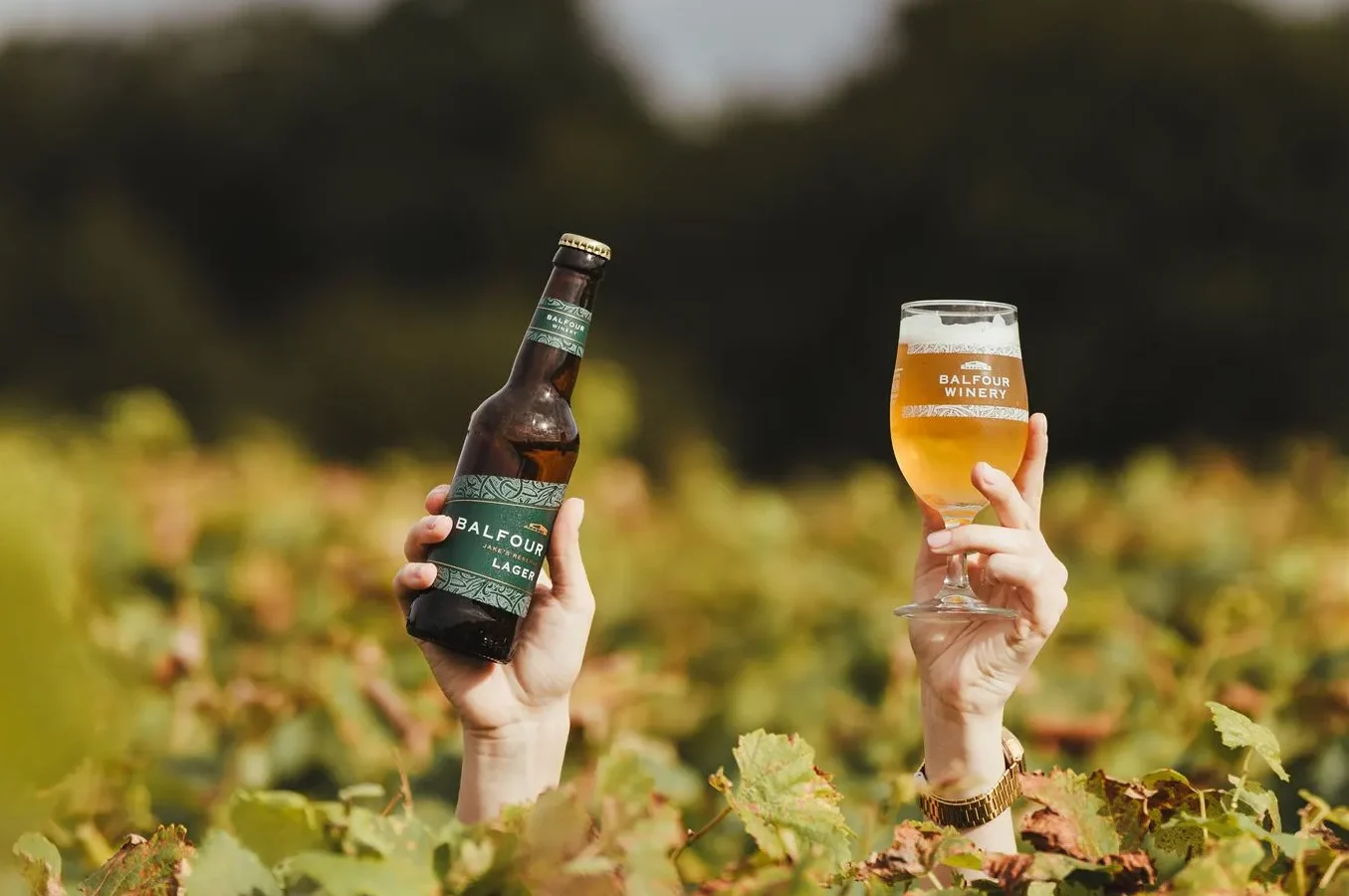
 However people like to drink….mindfully, daily, socially, soberly, out and about, or at home with the cat, the Drinks Awards covers all manner of products that will showcase new tastes and adventures.
Whether they’re gluten free, alcohol free or avoid all top 14 allergens, these awards celebrate drinks that people with food hypersensitivities will enjoy. We welcome beverages with good labelling that means nobody has to miss out on the fun.
The Drinks Awards covers three areas:
1. Low & No Alcohol
The demand for low and non-alcoholic drinks is growing, but not where you may expect. Recent research by Mintel has found that Gen Z, born between 1997-2010, are more open to trying non-alcoholic beverages whilst socialising than previous generations. Their heightened awareness of the impact of alcohol on health, the nutritional profile of fruits and botanicals, and the lower calorie count add to their desire for more interesting flavours with less alcohol.
According to the Lancet, between 2008 and 2018, food allergies increased from 0.4% to 1.1% of the population, and an article by HeyAllergy looks at the prevalence of allergies amongst Gen Z and considers how this may influence the way this generation navigate situations not just around food, but socialising, activities and life after education. The culture created around low/no drinks encourages states such as mindfulness, consideration for others, and gently letting go rather than getting out of your skull drunk – all these attributes make it a far more attractive space to socialise for those with severe food hypersensitivities. Here are three more not-often-considered reasons why low/no alcohol drinks can be the perfect social partner for people with food hypersensitivities:
- In the UK, alcohol labels are required to list the top 14 major allergens but not the ingredients. This creates a problem for those with food allergies because any ingredient can be allergenic. Many reactors are allergic to more than the top 14 major allergens, meaning they want to see all the ingredients, not just the allergen menu. By contrast, all the ingredients in low/no drinks must be listed on the label, which gives the allergic drinker the knowledge they need to control precisely what they are putting in their body and, with that, the confidence to imbibe.
- In addition to possibly containing unknown allergens, alcohol affects judgement and decision-making, which can lead to reckless and uninhibited behaviour. It also impairs the cells in your nervous system, making you feel lightheaded and adversely affecting your reaction time and coordination. Thus, an alcoholic drink can affect the severity of an allergic reaction by leading to poor decision-making and increased risk-taking behaviour: people may eat foods they wouldn’t normally eat or fail to notice early warning signs of a reaction, such as an itchy mouth. This may lead them to consume more food than they should before realising they are having a reaction. And in a drinking environment, a person having anaphylaxis may be confused with being drunk if they are drinking alcohol.
- Alcohol can impact the body by changing food digestion and immune cell function, potentially worsening allergic reactions, as well as exacerbating underlying conditions such as asthma, urticaria and rhinitis because it opens up blood vessels. Sensitive people may get wheezy, headaches and skin flushes.
There is no known or proven causal connection between Gen Z demanding more low/no drink choices and the increase in allergic reactions, but the two appear to be complementary to each other.
2. Functional Drinks, Full & Mid-Alcohol Strength Wines, Spirits & Mixers
Lifestyle consumers actively seek out vegan drinks and we’re proud to showcase the best of vegan wine and champagne, alongside the advent of mid-strength wines and spirits that occupy the space between low and no (0-1.2% ABV) and standard alcoholic options: including wines at 6-9% and spirits at 15-20%.
Spirits sit in this category. They’re often a safe choice for allergy consumers and there’s a strong range of products, some with lower ABVs. With the trend towards less alcohol and clean drinks, kombucha, with its beneficial effect on gut health, fits perfectly with our market.
Functional Drinks are a hit at the awards. Like everyone, the lifestyle and allergy community has embraced mindful drinking. Functional drinks are increasingly popular as people get to understand their positive attributes.
Mixers and other sparkling drinks are often unsung heroes, but they’ve come to the fore with our interest in alcohol-free and health. Whether sugar-free, sweetener-free, or with a clean deck of ingredients, free-from consumers are looking for great-tasting mixers to add to cocktails or to drink on their own.
A vegan label is important for many in the allergy world as it’s the only way of telling that milk and egg have not been used during production of wines and Prosecco. Other entries here can include free from spirits and botanical mixers whose complex flavours are always appreciated by judges.
We also welcome an assortment of free from, premium drinks that offer unique health & lifestyle benefits, and would stand up well next to traditional cocktails, spirits, wines and mainstream soft drinks. Functional, nutritional and botanical drinks are experiencing fast growth in the sector, are often top 14 allergen free and also offer gentle mood-enhancement without any of the effects of alcohol. Energy and sports drinks can help elevate cognition and mood, and often display clean ingredient lists and good nutritional profiles using alternative sources of caffeine.
3. Gluten Free Beers
Gluten free beers are for people with coeliac disease or gluten sensitivity who cannot consume gluten, the protein found in traditional grains like barley and wheat. They are made using alternative grains or by using enzymes that break down gluten to safe levels. Additionally, they are a popular option for individuals seeking to reduce gluten in their diet for health reasons or as part of a broader lifestyle change.
Gluten free beer is a safe alternative for individuals with coeliac disease, which is an autoimmune disorder triggered by gluten, or those with a non-coeliac gluten sensitivity.
How it’s made
- Alternative grains: Some beers are brewed with naturally gluten-free grains like millet, rice, sorghum, or corn.
- Enzyme treatment: Other beers use enzymes during fermentation to break down gluten proteins into harmless peptides, making them safe for those with gluten intolerance.
- Testing: To be legally labelled “gluten-free,” beers are tested to ensure they contain less than 20ppm (parts per million) of gluten.
We welcome both gluten free and gluten removed beers, including lagers, IPAs and golden ales, dark beers and, reflecting the market as a whole, many ‘small’ beers, table beers and low-alcohol beers. Some come from small craft-breweries, whilst others are brewed for national retail.
The gluten free beer market has developed vastly in the last few years – with many brewers offering at least one gluten free beer, and an increasing number making their entire range gluten free.
There is appetite for more variety, including gluten free wheat & fruit beers and sours and we look forward to welcoming more, new styles into the awards.
Key Dates
- Drinks Awards – entry now open
- Early Entry Discount closes – Friday 23rd January
- Drinks Awards entry close – 20th February 2026
- Judging – March & April 2026
- Awards Presentation Party – June 2026
Criteria
To qualify for entry into the Drinks Awards, all entries
-
- must be free from at least one of the top 14 UK-listed major allergens with no precautionary allergen labelling for the allergen/s specified in the free from claim*
- must be commercially available nationwide by June 1st 2026, i.e. sold through independent retailers, online or a multiple retailer (refer to Awards Terms & Conditions for exceptions)
*e.g. product cannot claim to be gluten free and have a ‘may contain’ warning for gluten.
By submitting an entry you are agreeing to our Terms & Conditions.
Entry Fees & Discount Codes
We do not want cost to be a barrier to entry, and have not increased entry fees since 2020.
We have tiered pricing based on company turnover:
- Micro = company turnover £0-£300,000 = £105+VAT per entry (use code at check out microcFFA2026)
- Small = company turnover £301,000- £3,000,000 = £150+VAT per entry (use code at check out smallcFFA2026)
- Large = company turnover <£3,000,001 = £185+VAT per entry
10% discount on entries made before 23rd January 2026 (applied automatically)
How to Enter
If you need any help with your entry, please email us or phone 07790 869706. There is a real person at the end of this line, so if there is no answer please leave a message or send a text, and you will get a reply.
1. Getting started
Head over to Account Login and either:
- Create a new account with all your contact details. Please double check that your email address is correct.
- Or log in to your existing account and check all details are up to date.
Then you’ll arrive in your account.
2. Submitting product information
From within your account – select Transactions>Basket, then select a Drinks Awards entry form from the drop down menu. Then click ‘Add Selected’ and then scroll down to find your entry form to fill out.
Each product requires a separate entry form, with mandatory fields to fill in. There are also optional fields to give the judges a fuller understanding of your product.
You can save the form as you go: click ‘Save for later’ at the bottom of the entry form, and come back to edit it later – the entry forms can be found in your account in ‘Transactions>Saved items’ on the lefthand side.
Once your form is complete, submit the entry form by accepting the Ts & Cs and clicking the green CONTINUE button.
Enter your details for invoicing, and on the next page, SUMMARY, the cost for entry will be calculated with the early entry discount automatically applied.
Add in the discount code at this point, as per your company’s size (these can be found above).
3. Making payment
Please make payment via debit card or credit card. You will receive a VAT invoice by email once payment has been made.
If you wish to pay another way, please select ‘Invoice’, and make sure to pay within 30 days.
You’re now entered into the Food Awards
You can see all your entries in your account. Simply log in, and click on ‘Complete’ on the lefthand side where you will see all your completed and paid for entries.
Samples & Judging
Samples
Once you have submitted your entry forms you will receive an email (please check junk / spam) with the following details:
- Dates of judging sessions
- Dates for sample deliveries – a window of a few days within which we can receive your samples
- Addresses and delivery instructions
- Quantity of samples you will be required to send
NB: You must make sure your product will be within date (shelf life has not expired) at the time of judging
In the Entrant Area, you will find your ‘Entrant’ Logo to promote your entry.
Judging
Our judging sessions are run with 3 – 5 expert judges – head over to FAQs for more information on the Judging Process
Our judges can see the mandatory fields you have filled in for each product, and can choose to read any of the extra details you have provided if they so wish.
Results
Medallists will be announced at the Awards Presentation Party in June (date TBC) and we warmly invite all entrants, friends, sponsors and judges to join us for the very best free from networking event in the calendar!
Details will be shared here soon, and invitations will be sent out in May. There will be a tiered ticket price.
Logos will be available to download and are free to use on your product: see Logo Use Guidelines for details.